17 Dec 1928
Glasgow
died: Reading 23 Jan 2019
186
1952 — 1958
52
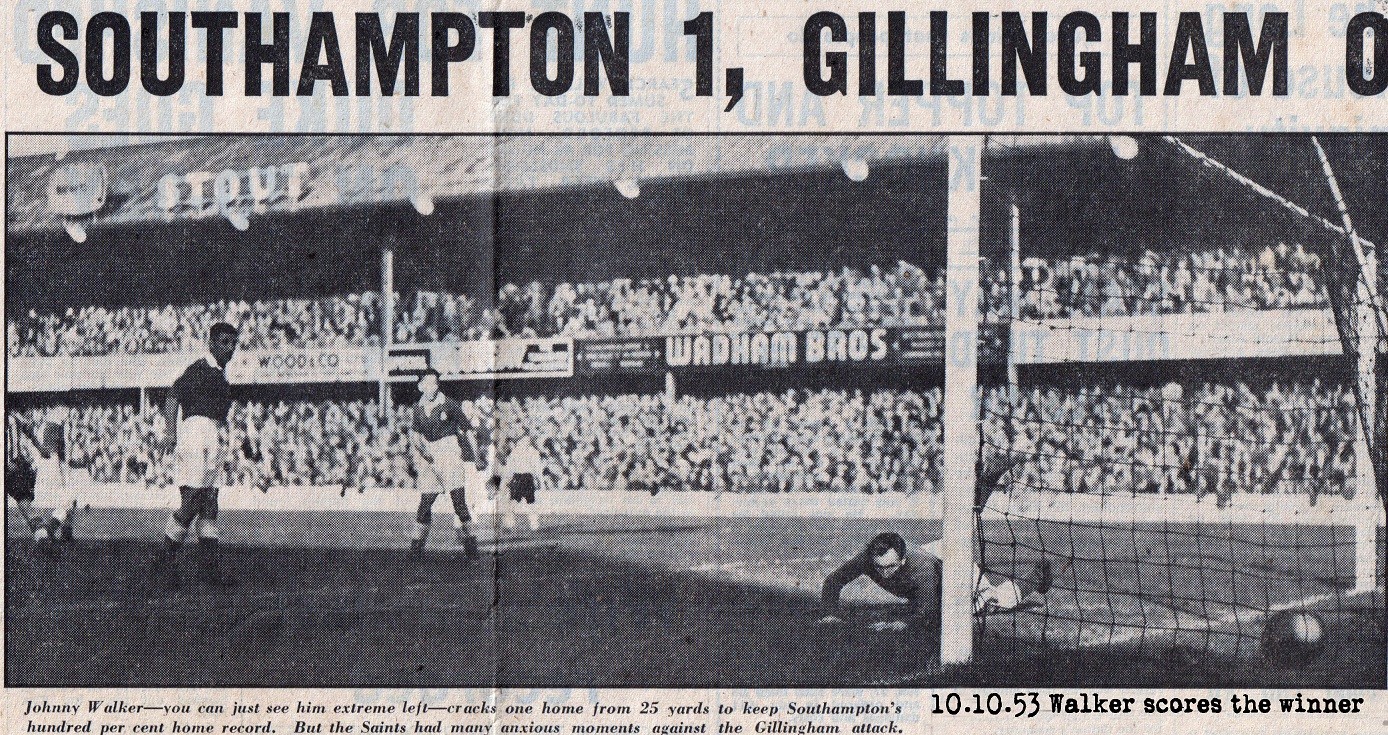
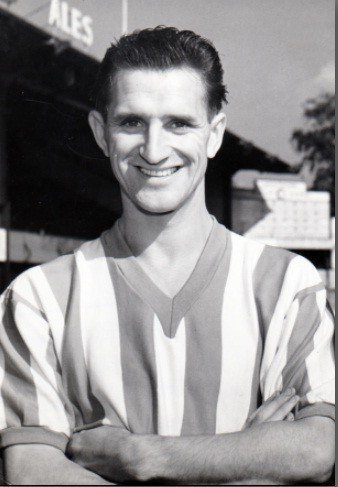
When you’ve scored 21 goals in 37 First Division appearances for Wolverhampton Wanderers and been the leading scorer, with five goals, in their 1950-51 FA Cup-run to the semi-final, then you can surely be said to have earned your recognition on the wolvesheroes.com website. Take a bow, Johnny Walker. Johnny was spotted playing, in his native Glasgow, for Campsie Black Watch, a team established for soldiers during the Second World War. Whisked off to Molineux, the 18 year-old Walker found himself among some reputable marksmen, including two goal-scoring wingers: newly-capped Jimmy Mullen; and soon-to-be-capped Johnny Hancocks.
Bill Ellerington, the Southampton right-back, who toured for England with Mullen in 1949 and for the FA with Hancocks in 1950, reckoned that these classy wingers provided easy pickings for their inside-men, hovering in wait of their services – so that when Johnny dropped down a division to join an aged Southampton team in decline, he needed to work a lot harder than he was used to and his goals-per-game ratio dropped accordingly.
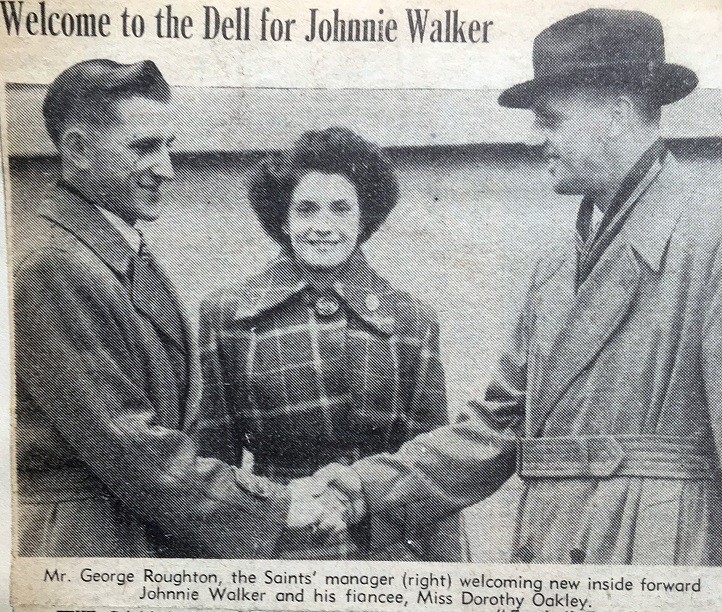
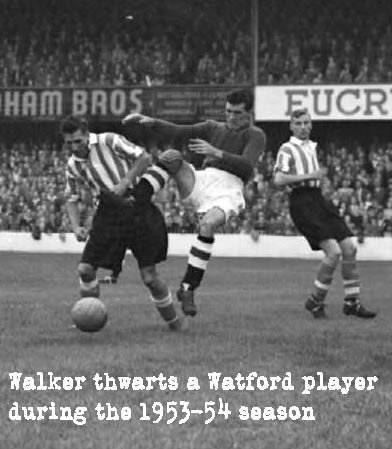
Ellerington may have a point, but this was an age when inside-forwards could still be expected both to fetch-and-carry for their wing-partners and to be in the box to score from their crosses. That Johnny could dual-task is reflected in a debate between two Saints fans who watched him in their teens.
One remembered him as “slick in the box”; the other as “a popular forager”. That popularity was surely enhanced by the way he swung an arm or two as he ran, earning himself the nickname of “Windmill Walker”.
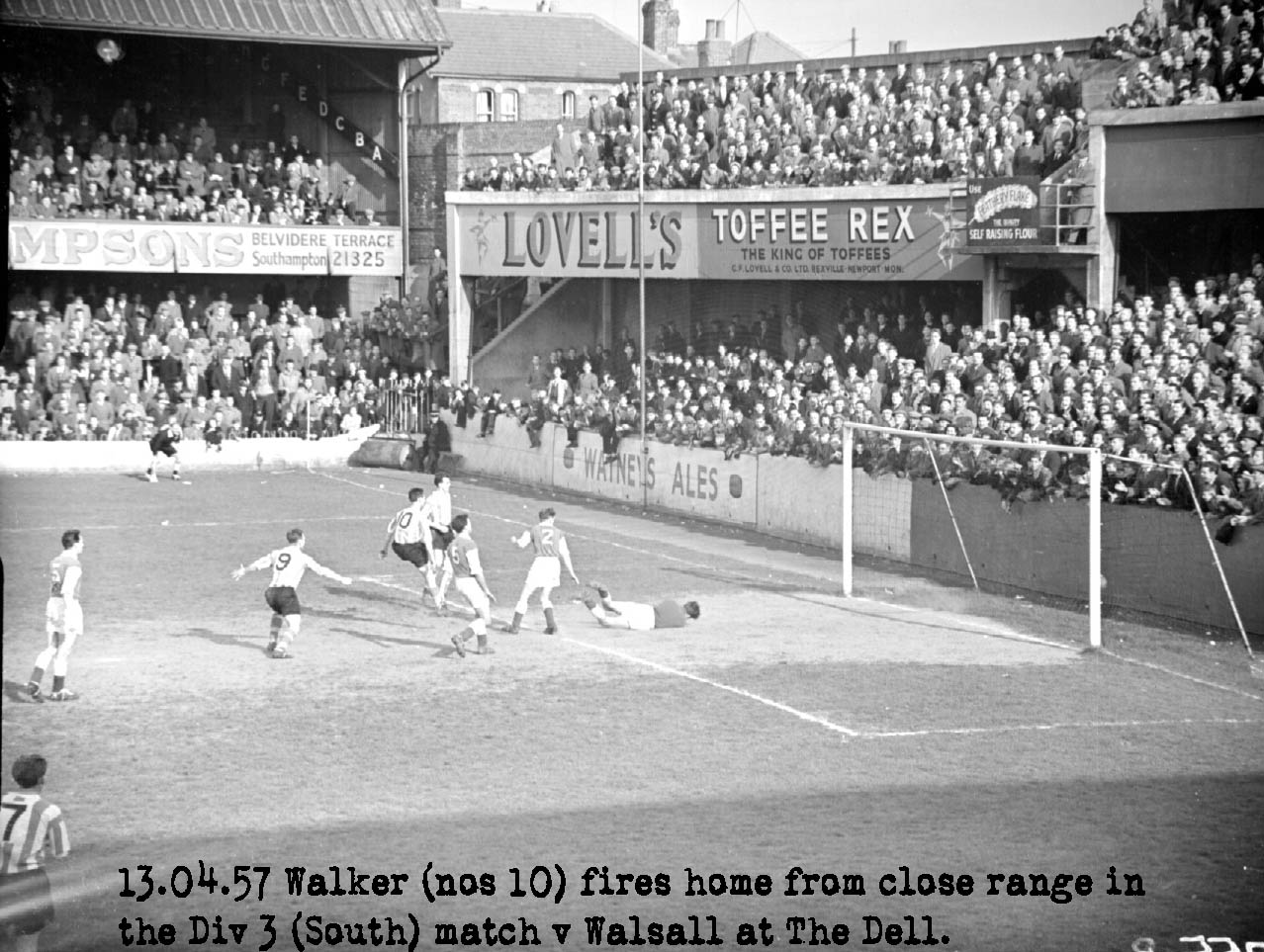
Johnny acquired that habit at Molineux, when celebrating a goal – long before Mick Channon developed it – but he would do it in open play. The high-spot for Johnny, in this formation, was his third season – 1954-55 – when he played regularly at inside-left, scoring twice as many goals as newcomer Tommy Mulgrew managed at inside-right. It was Johnny’s misfortune, then, that when Ted Bates took over in September 1955, he soon began to play – long before we would talk of 4-4-2 – with a second striker at No.8, initially Derek Reeves and then Don Roper, which created more work for Johnny, if and when he was preferred to Mulgrew at No.10. Bates even tried playing Johnny on the left-wing, with Mulgrew inside him. That prompted a transfer request in January 1957. Johnny would remain for that calendar year, though, and get to play at inside-left to Terry Paine and John Sydenham, in turn.
But before he could take advantage of these emerging talents – Southampton’s exciting answers to Mullen and Hancocks – Johnny was suddenly transferred to Reading in December. Reading would finish that season one Third South place above Southampton, but they would be stuck at that level throughout his stay and well beyond. Johnny thrived at Elm Park.
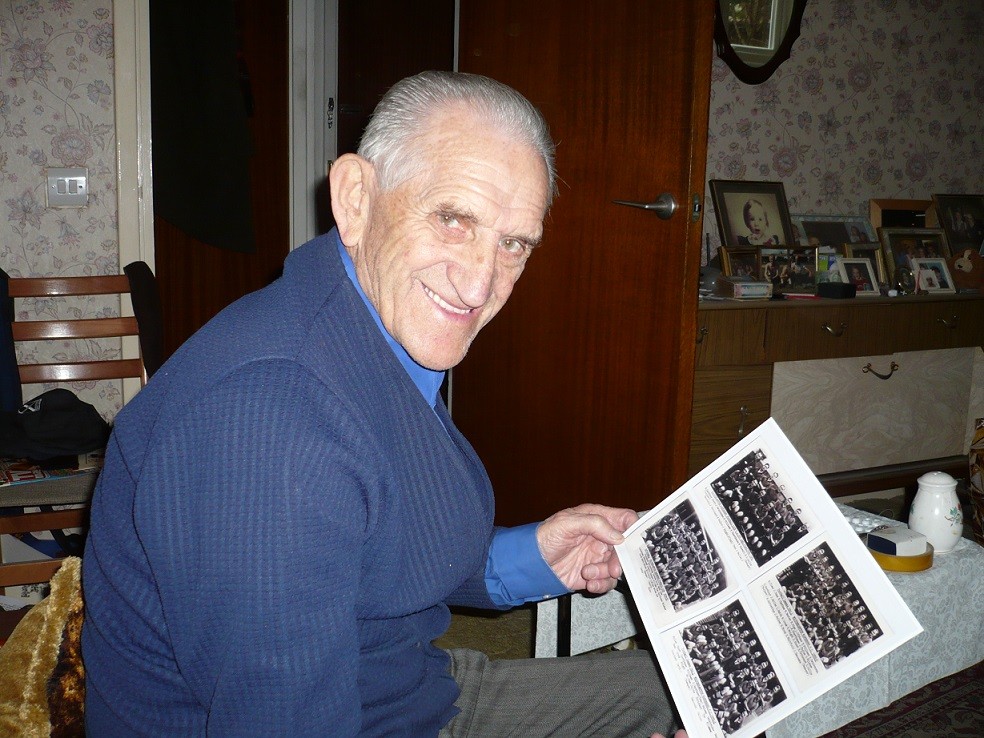
Having signed for two years, he would be there for seven-and-a-half seasons, making over 300 appearances, finishing up at right-back and later being voted one of the Royals’ Top 100 players of all-time.In his retirement, he had a couple of delivery jobs and then worked for the Royal Mail. He also helped out with Reading’s youngsters for a while – Neil Webb and all – in a role that he modestly describes as “talking to them, rather than coaching” and scouted a bit for manager Maurice Evans. A season-ticket holder at the Madejski Stadium, Johnny always participated keenly in events organised by the Saints historians, whom he has repeatedly welcomed to his home in Theale – or maybe to his local pub, even though he gave up beer and whisky when the Saints won the Cup in 1976, since when he has been a coke-only drinker.
- Possilpark YMCA (Glasgow)
- Campsie Black Watch
- Wolverhampton W Aug 1947
- SOUTHAMPTON Oct 1952
- Reading Dec 1957, res and youth coach 1974
| Competition | Apps | Goals |
|---|---|---|
| FOOTBALL LEAGUE | 172 | 48 |
| FA CUP | 14 | 4 |
| Total | 186 | 52 |