
25 Apr 1872
Croydon
died: Hampstead 7 Sep 1956
29
1900 — 1903
0
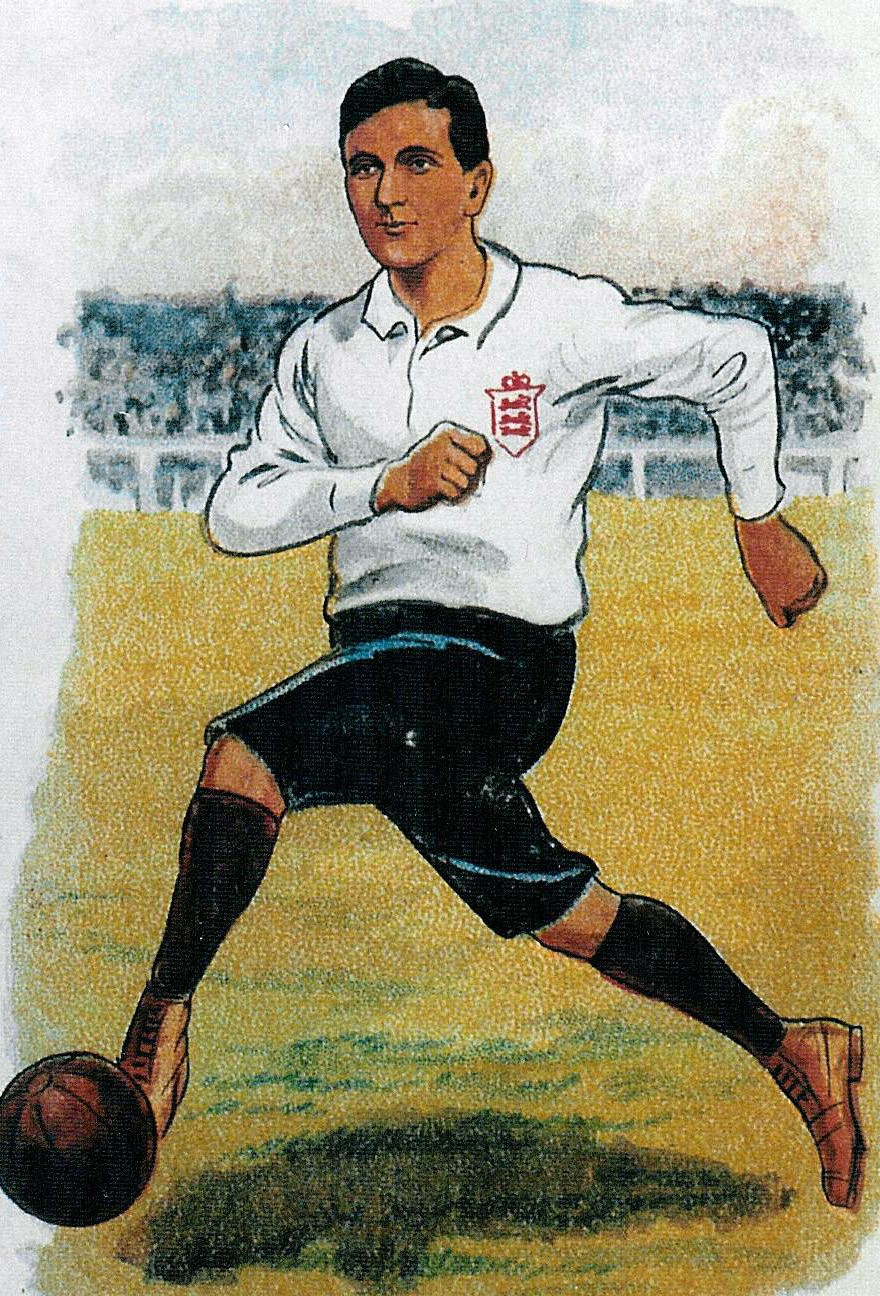
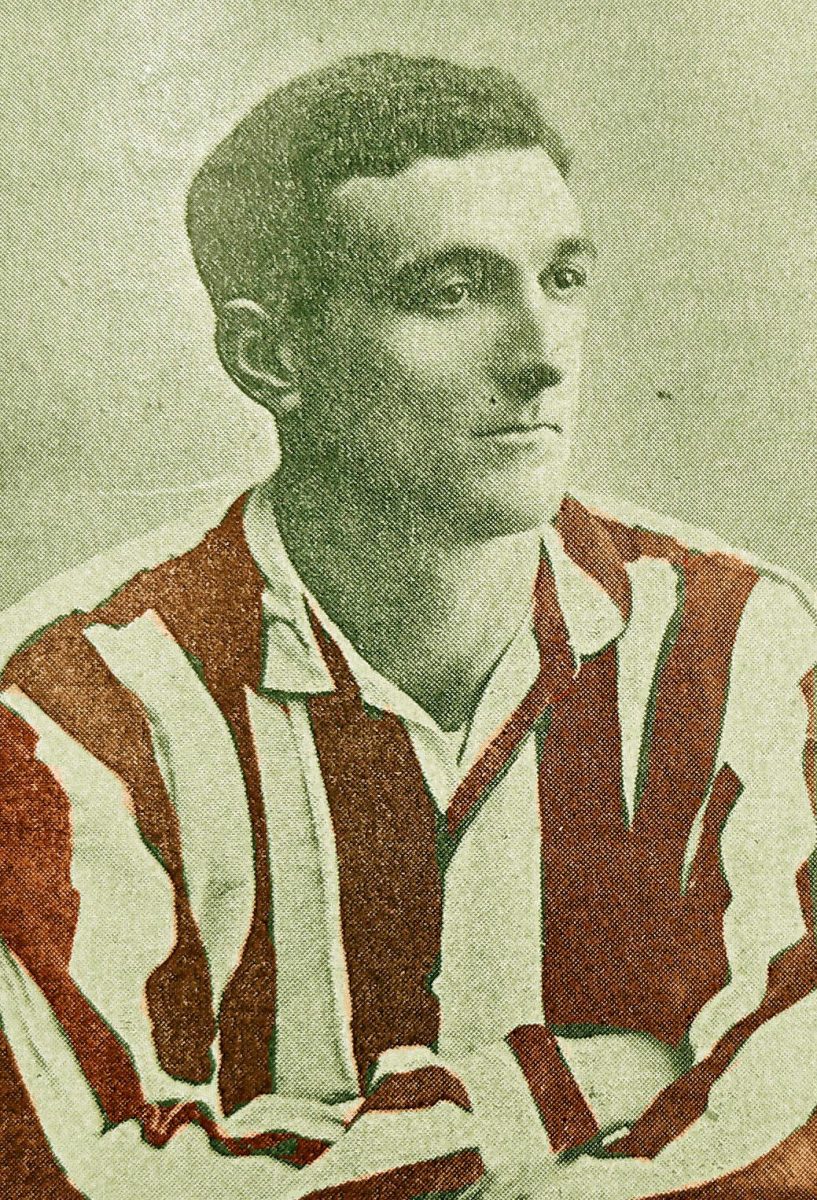
By the time Charles Burgess Fry made his debut for Southampton – almost two years after signing for them – he had captained Oxford at athletics, cricket and football, winning Blues at each and being injured when a rugby Blue was in prospect; had made 26 first-class centuries and played in seven Test matches; and had briefly held the world long-jump record at 23ft 6½ ins.
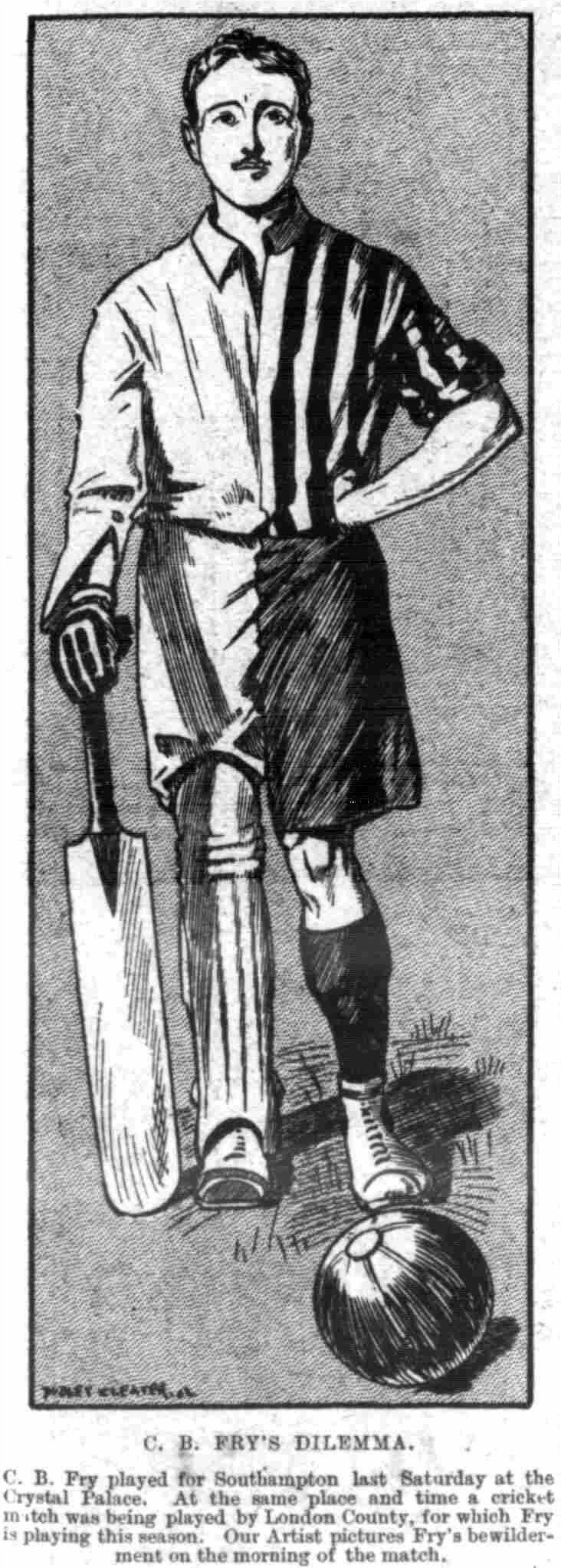
The Echo welcomed the arrival of a player who was, “without doubt, the finest amateur back playing, … who shines conspicuously in a constellation of football stars”.
His Boxing Day debut against Spurs did not disappoint: Fry’s “screw kicking under difficulties was simply astonishing,” the Echo rejoiced. His tackling and risk-taking may have been issues on occasion, although his sprinting ability – 100 yards in 10.2 secs – so often enabled him to recover. But the support of the local ’paper was constant, even when C.B.’s fouls, in a match at Luton in November 1901, upset the Bedfordshire press. Springing to his defence, the Echo reasoned that “every lover of manliness and physical strength [should] ungrudgingly…show respect” for a specimen of such “physical perfectness, grace and power.” The reality was that that game at Luton occurred in a sequence of seven games – C.B.’s longest run in the Saints’ Southern League

Although he appeared in nine straight FA Cup matches for the club, including all eight games in 1901-02, culminating in a replayed Final, the Echo’s opportunities for hyperbole were limited. No matter that he was capped in March 1901, when England entertained Ireland at The Dell, Fry had other commitments – playing for the Corinthians among them – and 14 Southern League appearances at right-back, spaced over a season-and-a-half, was not what was needed. So, in May 1902, Tom Robertson was signed. He made the right-back position his own, obliging C.B. to try his hand upfront. He was at inside-left for his Southampton climax – again against Spurs at Christmas. Whereupon, he joined Portsmouth, only to sustain a career-ending injury in his third game. His biographer, Iain Wilton, takes a more balanced position on Fry –
“a good footballer, but not a great one” –
than that of the Echo; but, then, Wilton adds, “no-one else has combined such a successful career in top-flight football with world-class athletics performances and record-breaking batsmanship – and surely no-one ever will.” What that omits to mention is that Fry – the ex-public schoolboy, Oxford Blue and Corinthian, who would become notorious for his pomposity – adjusted well to the professional dressing-room at The Dell: he was, according to Mr Arnfield, the then club secretary, “a good chum” to his team-mates, whom he often invited to Glenbourne Manor, his home at Southampton’s eastern edge, for occasions that “were entirely free from patronage or ceremony.”
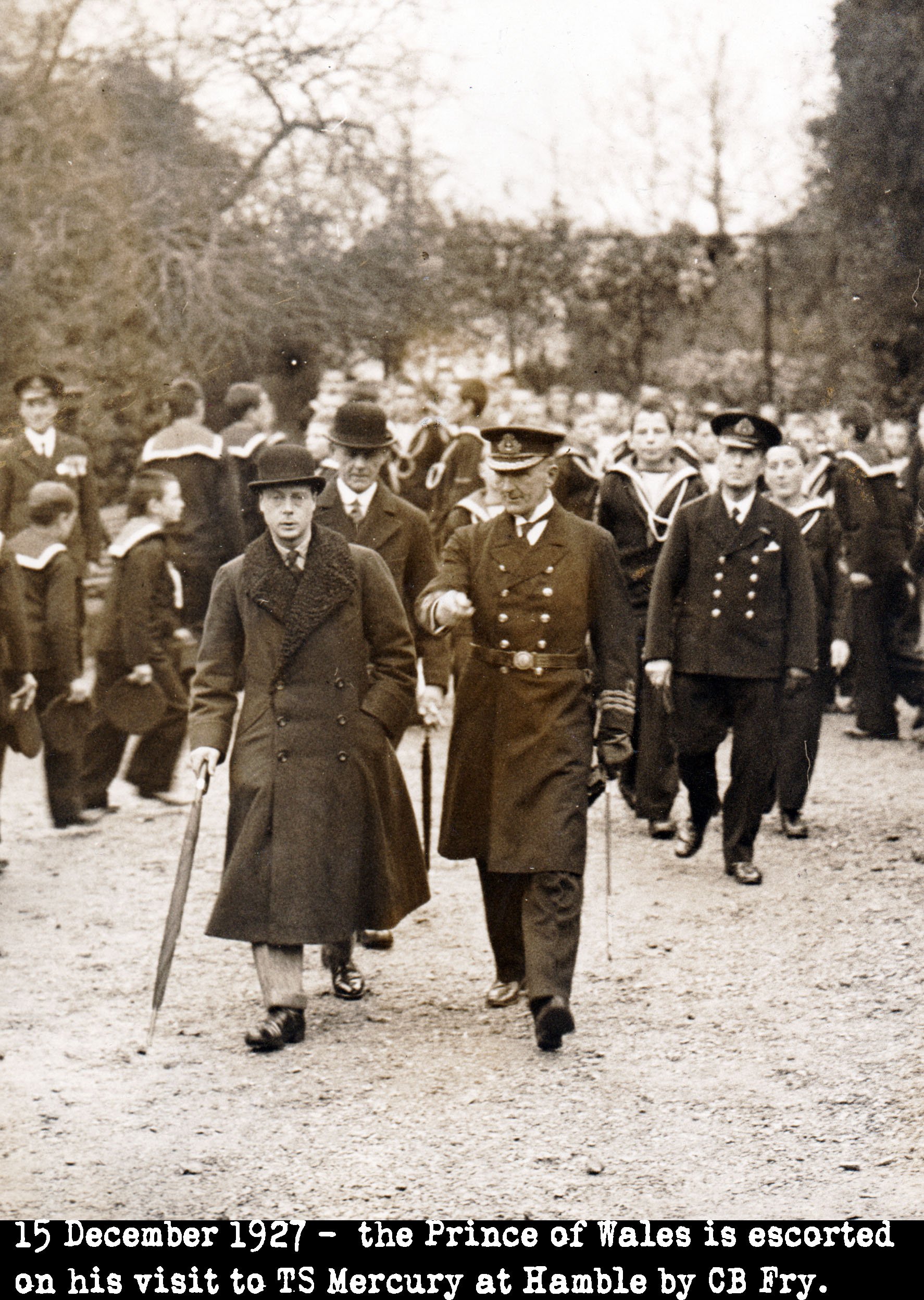
The batting records to which Wilton alludes are too numerous to record here. In 1912, by which time he had joined Hampshire from Sussex, C.B. topped the national batting averages for the sixth time and captained England in what was his 26th, and last, Test. He retired in 1922, having scored 94 first-class centuries.Fry still had a remarkably full life yet to live – a Life Worth Living, to borrow the title of his 1939 autobiography. His wife and he had taken over the running of the Training Ship Mercury in Hamble, in 1908, and he would remain its Captain Superintendent until 1950. When Prime Minister Asquith threatened to flood the House of Lords with Liberals in 1908, Fry was on his list of possible peers. But the threat achieved its end, so Lord Fry was never created and C.B. would have to stand as a Liberal candidate for the Commons, instead, failing in three attempts, from 1922 to 1924, to get elected. Therefore, the pinnacle of his political career would be representing India at the League of Nations. That led to his becoming associated with Albania’s search for a new king – although accounts are divided as to whether C.B. was actually offered the throne and, if he was, whether or not it was all a prank. What is not in dispute is that he visited Germany in 1934 and was impressed by the Führer, as their discussion of a shared interest in youth movements moved on to Hitler’s case, which the British needed to understand, for the military rehabilitation of Germany. Fry failed to persuade von Ribbentrop, however, that the Nazis’ hope of improved relationships with the UK might be achieved by their taking up cricket.

No wonder, then, that when ITV launched This is Your Life in 1955, the multi-faceted C.B. Fry was the fifth subject. And yet there were those who regretted that he had squandered talents that might have been put to good effect in politics, theatre, law or literature. Answering that charge, Neville Cardus reasoned that “there are politicians and actors and KCs and authors enough. There has been only one C.B. Fry.”
- West Kent
- ReptonSch 1887
- Wadham College 1891
- Oxford U 1892
- Old Reptonians
- Corinthians 1892
- SOUTHAMPTON Jan 1899
- Portsmouth Dec 1902
- Training Ship Mercury 1911
| Competition | Apps | Goals |
|---|---|---|
| SOUTHERN LEAGUE | 16 | 0 |
| WESTERN LEAGUE | 4 | 0 |
| FA CUP | 9 | 0 |
| Total | 29 | 0 |